

The Black Caddis Hatch is On - And Its Going Strong!
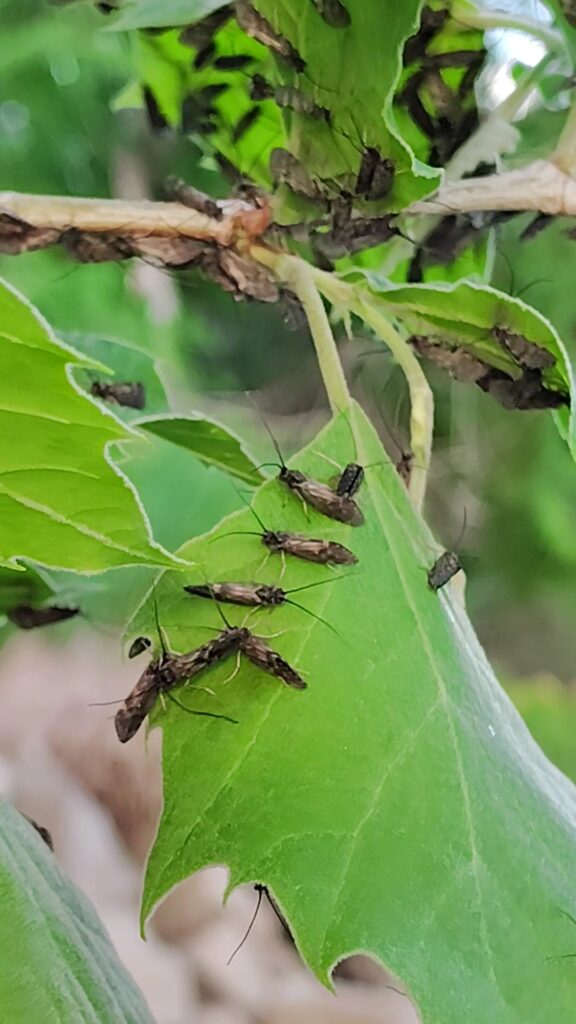
When it comes to fly fishing the Cumberland, the Black Caddis hatch is in full swing and going strong. Clouds of small, dark-winged caddisflies are dancing above the surface in the afternoons and early evenings, and the trout know it. If you've been waiting for an excuse to dust off your dry fly box, this is it
Why This Hatch is Rare in the Early Spring
Here is what makes this moment so special, and why you should drop everything to be on the water right now.
The biggest factor is having the rare opportunity to fly fish the Cumberland River this early in the season. In most of the last ten years, the USACE has maintained high water flows due to heavy spring rains. This year, those rains haven’t materialized. These lower flows, combined with several 80-degree days, have pushed water temperatures into the high 40s and low 50s on the lower end of the river—prime conditions for the Black Caddis.
Because the Cumberland’s water is drawn from the cold hypolimnion of the reservoir, it stays artificially cold well into the spring. This creates a unique microclimate: the river fools the insects (and the trout) into early-season behavior, triggering hatches weeks before they’d occur on a freestone stream. Combine that with the current below-curve lake levels limiting generation, and you have a perfect storm of conditions:
Cool, consistent flows
Gradually warming water downstream
Active insect emergence
Hungry, surface-oriented trout
This is not a hatch you can pencil in for next weekend and expect to find waiting for you. Water levels, generation schedules, and temperatures can shift in an instant. The window is open right now—and on the Cumberland, early spring caddis hatches like this are a rare gift.

Cracking the Code : The Three-Stage Strategy
When the Black Caddis are “blanketing” the banks, the natural instinct for most anglers is to tie on a dry fly and start casting at every rise. However, on the Cumberland River, the real secret to a high-numbers day often lies below the surface.
To maximize your time on the water right now, we are utilizing a three-stage approach:
- The Pre Emergence Phase (Morning to Mid-Day): Before the hatch really gets going, keeping Caddis Pupae close to the bottom is your best option. You can add a second attractor pattern such as a larger Stone Fly imitation or a split shot to your nymph rig to keep the Caddis Pupae down.
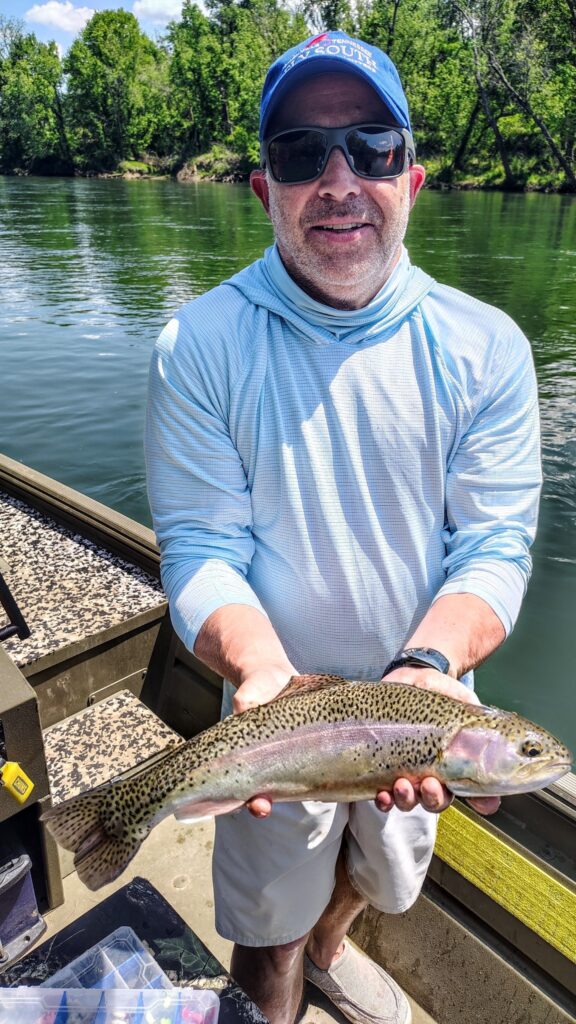
The Emergence Phase (Mid-Day to Afternoon): Before the full-blown surface feeding begins, the trout are keyed into the pupae rising through the water column. We’ve had incredible success swinging weighted Caddis Pupae or running them under a small strike indicator. This is where those heavy, hard-fighting Rainbows are often found.
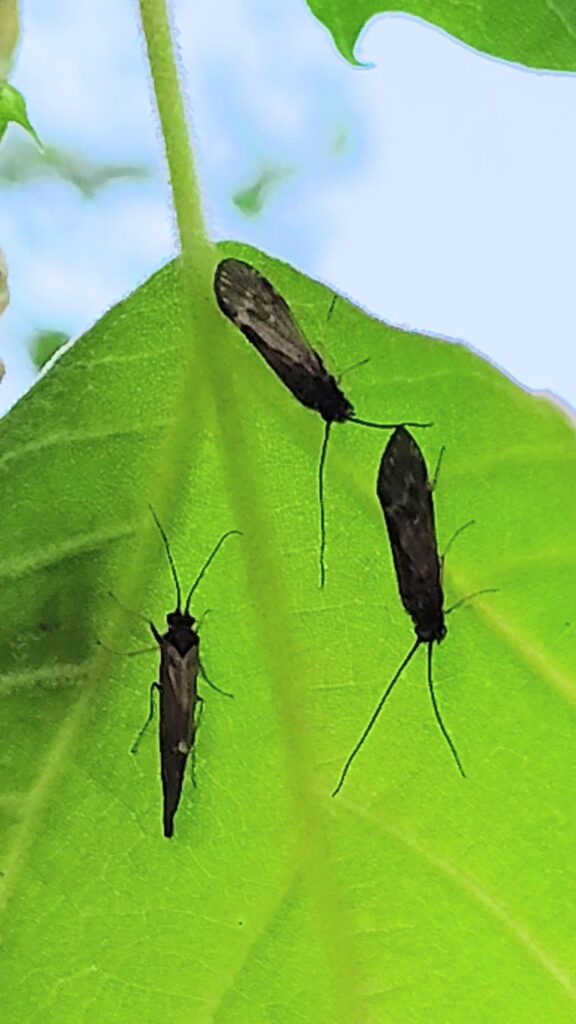
The Dry Fly Window (Late Afternoon to Dark): Once the air temperatures peak and the “clouds” begin to hover, switch to the surface. A low-profile Elk Hair Caddis or a CDC Caddis in size 14-16 is the ticket. The key here is a dead drift followed by a slight “skitter” at the end of the line to mimic a natural bug taking flight.
Pro Tip: Don’t be afraid to fish a “Dry-Dropper” rig. Hanging a small pupa 18 to 24 inches behind a high-floating dry fly gives the fish two options and helps you identify exactly which stage of the life cycle they are preferring that hour.
“The Fly Box: Patterns to Match the Hatch”
Larva / Nymph Patterns
- Black Caddis Larva (size 14–18) — Simple, segmented, dark olive-to-black body with a dark head. Fish it dead-drift near the bottom. Use split shot to help keep it down on the bottom.
- Cased Caddis (size 12–14) — This has become one of my favorite patterns for finding big heavy Rainbows on the Cumberland River. Fish it deep and in combination with a heavier Stone Fly imitation to help get it down in heavier water flows.
Pupa / Emerger Patterns
- Black Caddis Pupa (size 14–16) — The most important pattern right now. Dark body, swept-back wing buds, and a soft hackle collar. Fish it in the film or just below on a greased leader.
- LaFontaine Sparkle Pupa in Black (size 14–16) — The gas bubble effect of the antron sheath is a game-changer during heavy emergences.
- Black X-Caddis (size 14–16) — A film-riding emerger with a trailing shuck that perfectly imitates a half-emerged pupa. One of the most reliable patterns during a caddis hatch.
Adult / Dry Fly Patterns
- Elk Hair Caddis in Black (size 14–16) — The classic. High-floating, visible, and irresistible when caddis are on the surface.
- Black CDC Caddis (size 16–18) — For picky fish in slower, clearer water. The CDC wing sits low in the film and is nearly impossible for trout to refuse.
- Black Stimulator (size 14) — A slightly larger profile that works when trout are keying on egg-laying adults skittering across the surface
That information is pure gold! Thank you