Holston and Cumberland River Fishing Report
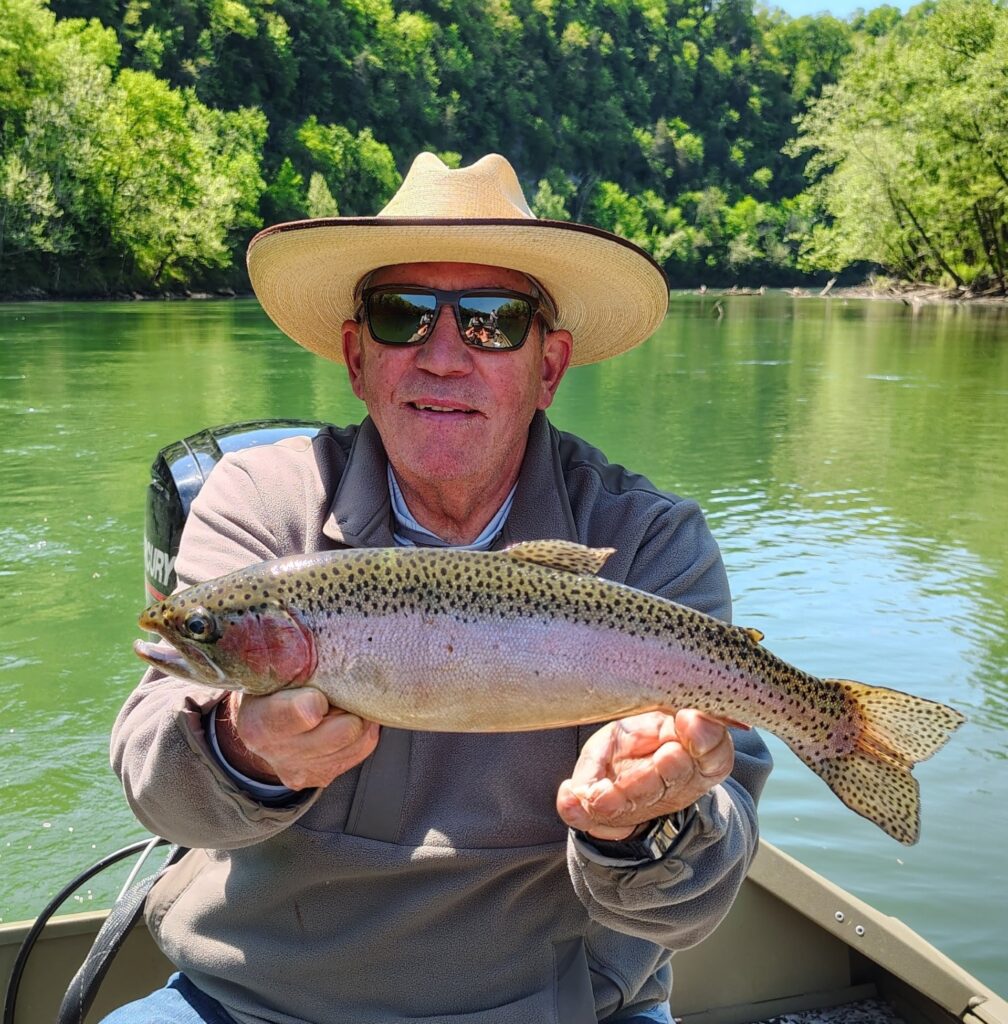
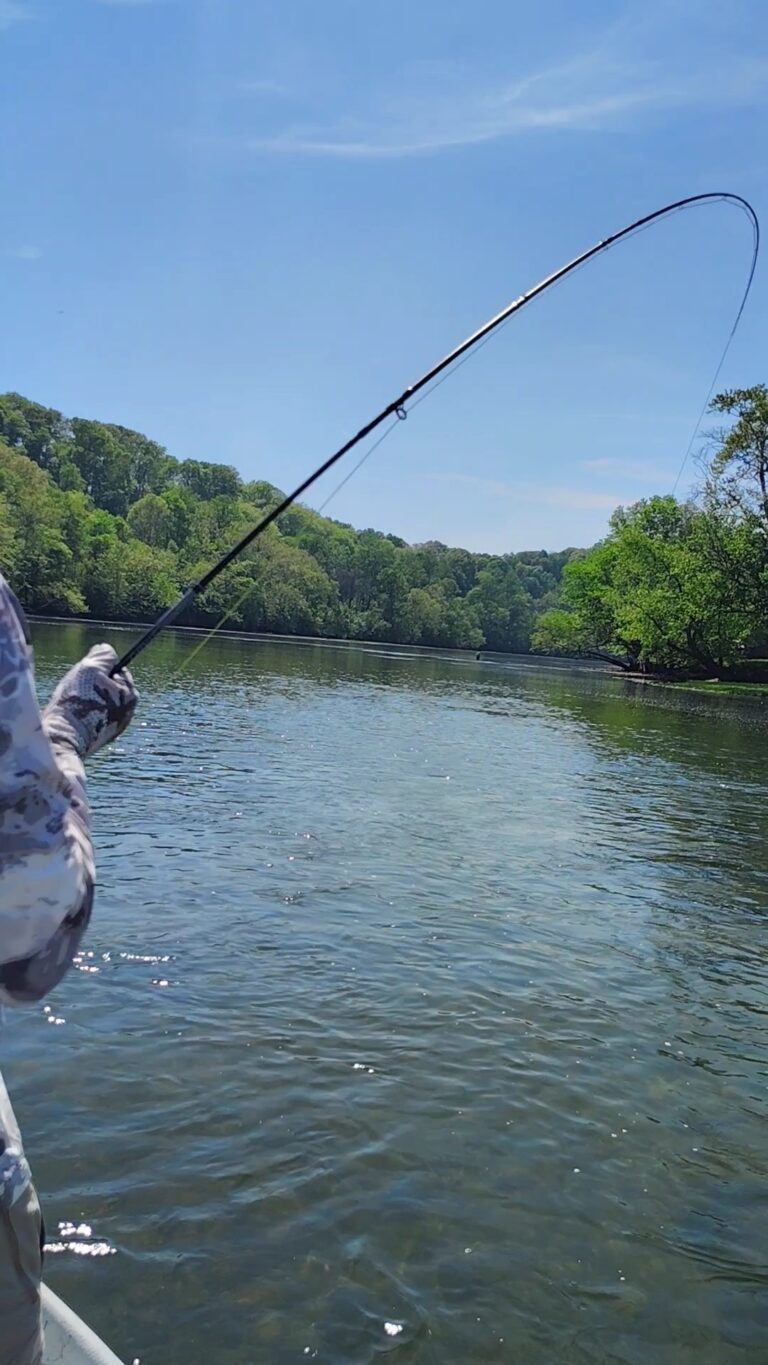
Hooked up on the Holston – the Spring Caddis and Sulphur hatches are in full swing and the fish know it!
Holston River Hatch Report: Caddis and Sulphurs
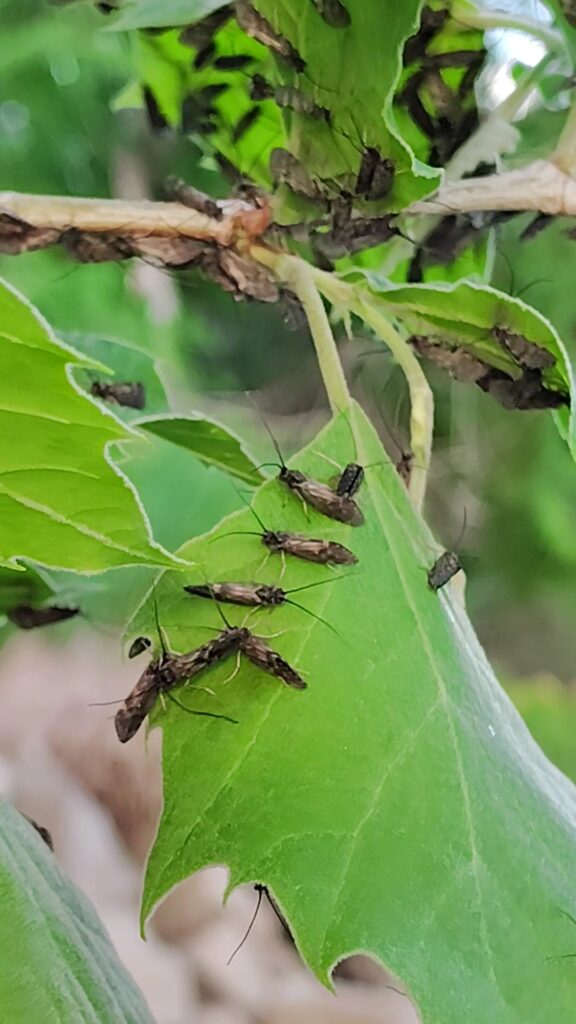
The Holston is currently a tale of two hatches. While the Caddis are out in force and providing the most consistent action, the Sulphurs are beginning to make more of an impact as they are showing up in greater numbers. It’s a great time to be on the water, as the fish are starting to look up for more than just one bug.
The Current Outlook
-
The Caddis Dominance: This is your “bread and butter” right now. The Caddis hatch is strong and widespread. You’ll see fish slashing at the surface, especially in the swifter riffles.
-
The Sulphur Arrival: We are in the “early days” for the Sulphurs. They aren’t a blanket hatch yet, but they are being taken more and more by the fat Rainbows found in the Holston River near Blaine, TN. These early-season bugs are often the catalyst for the larger fish to start feeding selectively on the surface.
How to Fish It
-
Targeting the Caddis: Use a #16-18 Elk Hair Caddis or CDC Caddis. Olives and tans seem to be the best options. You can also fish sub-surface, a swinging Caddis Emerger or putting a Caddis Pupae on the bottom will work great if the fish aren’t rising due to high winds or if you have hit the midday slow down.
-
Probing with Sulphurs: Since the hatch is just getting started, the fish may not be fully “locked in” yet. Try a Sulphur Sparkle Dun or a Parachute Sulphur (#14-16) during the warmest part of the afternoon. If you see a rising fish ignore your Caddis, it’s likely looking for that first taste of yellow.
Fly Recommendations
| Hatch | Preferred Patterns |
| Caddis (Strong) | Elk Hair Caddis / CDC Caddis / Iris Caddis, (#14, #16, #18) La Fontaine Sparkle Pupae (#14, #16), Holy Grail (#14,#16) Soft Hackle Hare’s Ear (#14,#16) |
| Sulphur (Starting) |
Sparkle Dun (#14,#16), CDC Comparadun (#14, #16), Soft Hackle Pheasant Tail (#14, #16, #18), Frenchie (#14, #16,#18) |
Guide Tip: The “Individual” Approach
With Caddis and Sulphurs hatching at the same time, don’t assume that what worked in the last run will work in the next. Because the Caddis are so established and the Sulphurs are just arriving, individual fish are making different choices. You might find one trout keyed into emerging pupae in the riffles, while the very next fish upstream is stubbornly waiting for that first yellow sparkle dun of the afternoon.
The Strategy: If you’re seeing rises but the fish are refusing your go-to Caddis, don’t just change your drift—change your flies or your entire approach. Swing a soft hackle in front of that fish, or Switch from a Caddis to a Sulphur. Try a dry-dry dropper with a #14 Caddis leading a #16 Soft Hackle Pheasant Tail may be the most efficient way to “interview” each run and see what the local residents are looking for. You are going to go through a lot of tippet so stock up! There is a ton of good fish eating dries!

Cumberland River: Black Caddis and Improving Flows
The Weekly Flow Forecast
After a week of sustained 7 KCFS water flows, the US Army Corps of Engineers (USACE) is giving us fly fishers an opportunity to fish some lower water over the next couple of days.
This Weekend: We are looking at our normal drop for Saturday and Sunday, with flows predicted to average around 2.1 kcfs. This is a great opportunity to hit the river but be careful out there. Lower flows mean more new logs and the bars will be more shallow. The upper river will be crowded as lower flows mean more people will be fishing too.
Next Week: Starting Monday, the short-term forecast shows a steady average of 3.3 kcfs. This is the best weekday flows we have seen for the Cumberland in a couple of weeks. This flow rate is low enough to make a lot of the bars accessible and high enough to keep the trout comfortable and feeding.
Black Caddis Hatch Update
The Black Caddis are still happening, and with the water levels stabilizing, we can hope the dry fly action is about to get very interesting.
Where to Look: As the water drops, focus your attention on seams. Whether they are being created by a bridge abutment, a rock outcropping or a riffle, look for seams between current and no current.
The Strategy: The fish have been waiting for this lower water. Look for those steady “sip” rises and present an Elk Hair Black Caddis or a CDC Black Caddis in a size #14 or #16 to the fish, you will not be disappointed. You may also see fish holding in back eddies or tight to low current areas as Caddis are falling from overhanging branches and bushes that line the Cumberland River.