Cumberland River Fly Fishing Report - June 26 2026
Current River Conditions (Burkesville, Kentucky)
Its time for a weekly update on the Cumberland River! Dissolved Oxygen levels have not really changed and we are still moving between 8 and 10 parts per million. The water temps are still steady between 49 and 55 degrees F. We still have incredibly clear water and the Lake elevation is holding at 706.4 feet. Once again, no real significant change in the past seven day period. The local and national weather forecast for Burkesville , Kentucky was completely missed again. Three quarters of an inch of rainfall was in the forecast for this past Sunday and we got an afternoon shower. That is it. There is supposed to be an inch of rain fall this weekend but I am not going to bank on it.
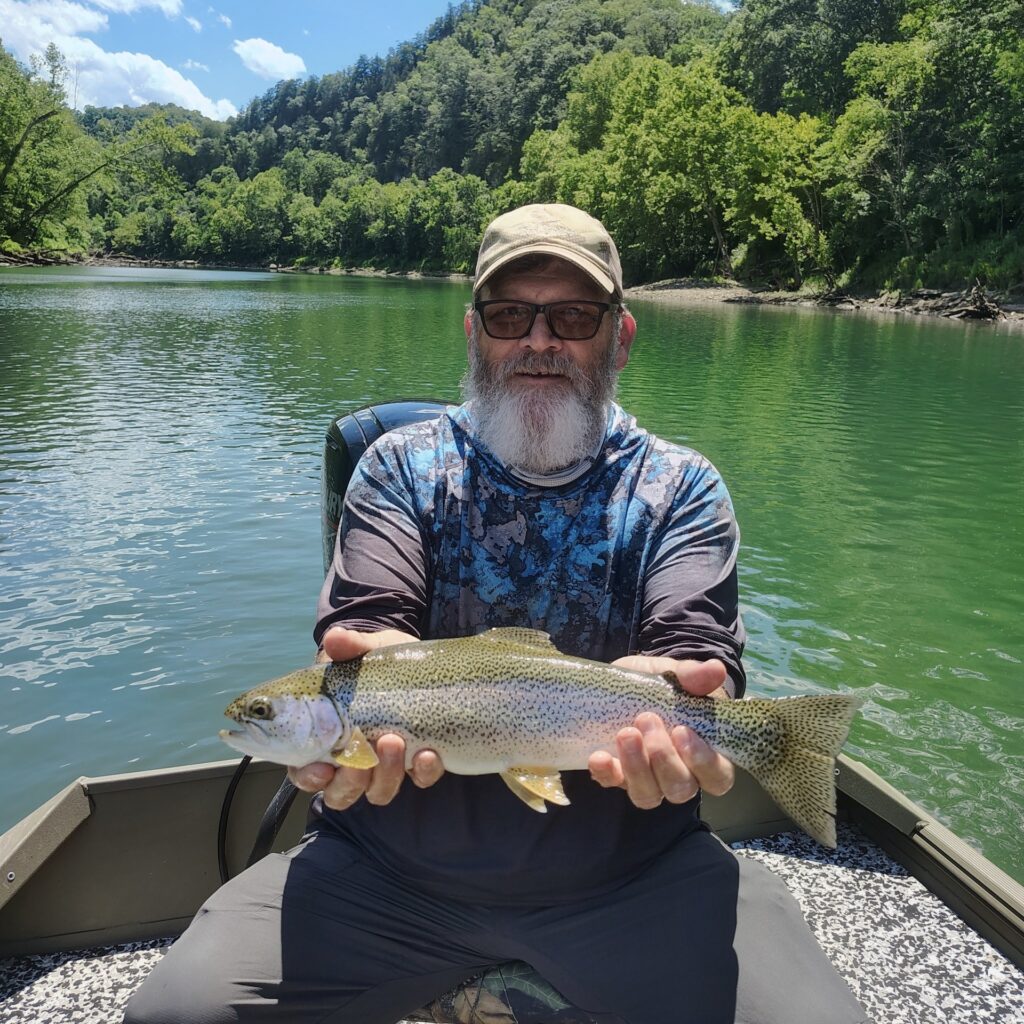
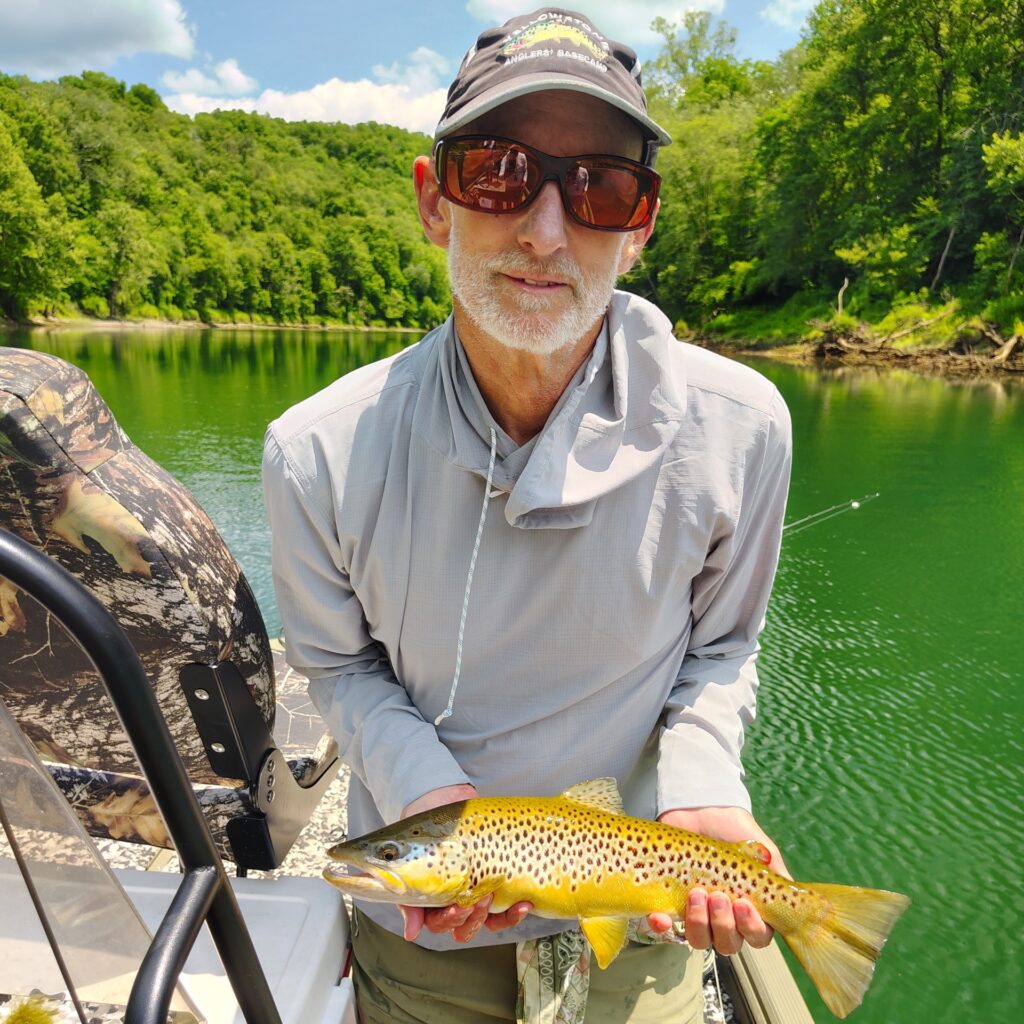
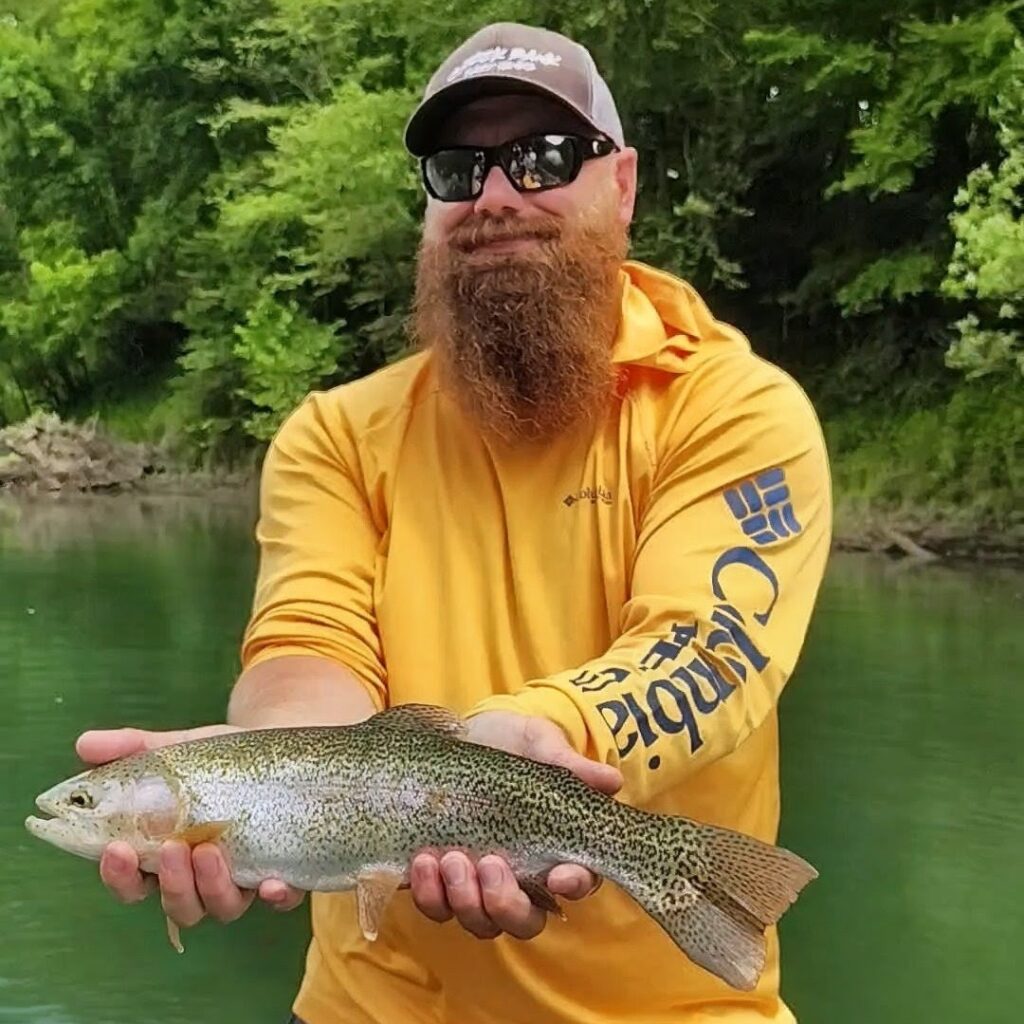
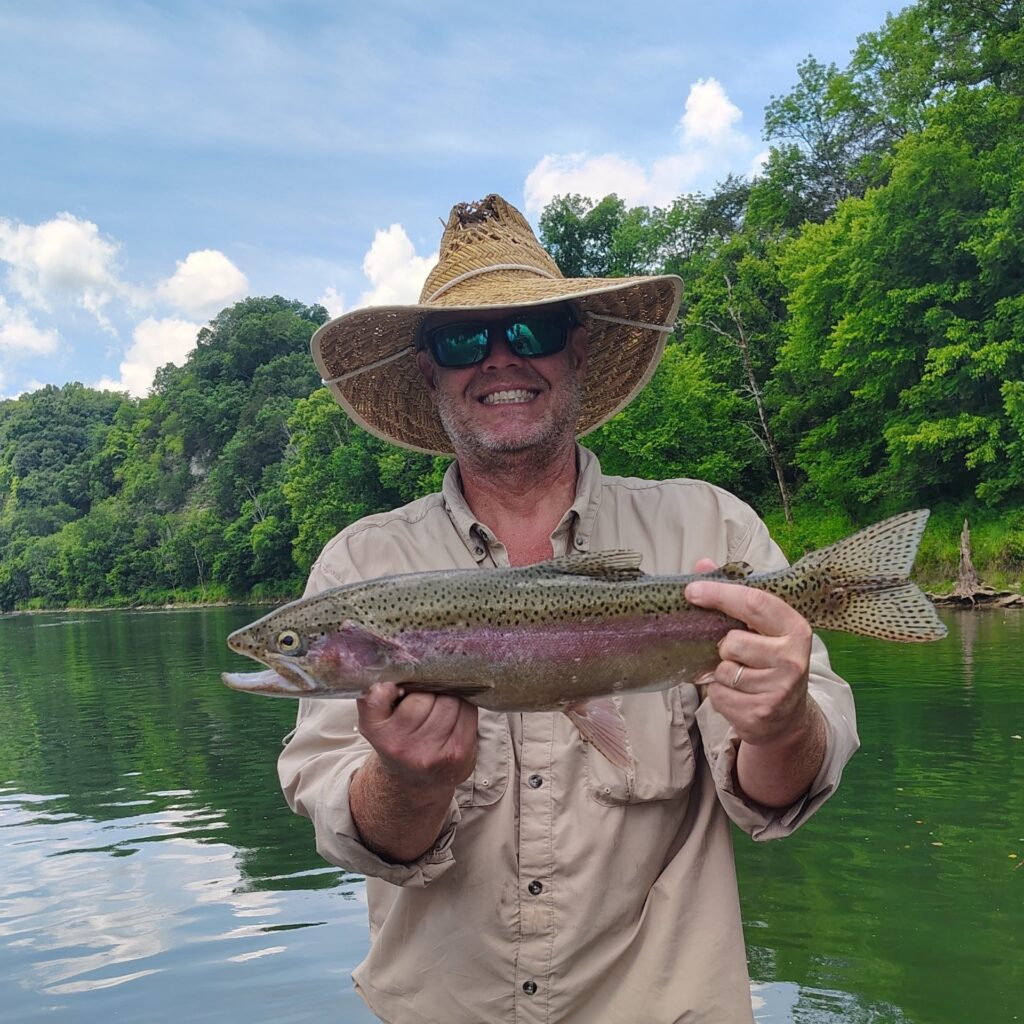
Water temperatures are remaining in the 49–50°F range in the middle section during the lowest flows of the day and climbing into the mid-50s on the lower river. The sulphur hatch is still going strong in the afternoons and the fish are feeding on the adults as well as the emergers. This past Friday and Saturday produced the most boat activity I have seen this year by far. I think the word is getting out. There are plenty of fish, very beautiful very happy, very healthy Rainbow, Brown and Brook Trout.
Strategy: How to Fish the Cumberland River in Late June
Will the Sulphurs Ever Stop Hatching?
The short answer is yes — they will slow down. Not overnight, but as we push into July the Sulphur hatch will begin to wane and the afternoon feeding frenzy we have been watching for weeks will gradually shift gears. Here is the thing though: I am genuinely looking forward to that transition. When the Sulphurs pull back, the fish do not stop looking up. They just start looking for different sources of protein.
Ants. Beetles. And most importantly — Hoppers.
Terrestrial season on the Cumberland is one of my favorite times of year and all the signs are pointing to an early, strong one. We have already had fish eating hopper patterns on the lower river and — I am not making this up — today a fish tried to eat a New Zealand strike indicator. If a trout is trying to eat your bobber, big bug season is not around the corner. It is already here.
Hopper fishing should start coming on strong in mid to late July as the Sulphur hatch continues to wind down. If you have never watched a Cumberland River Rainbow or Brown Trout absolutely demolish a size 8 foam hopper against a grassy bank, put that on your bucket list right now. It is as visual and violent as dry fly fishing gets.
Will Streamer and Nymph Fishing Get Better or Worse?
Better. Both of them.
The deep nymph bite is not going anywhere — if anything it gets more consistent as summer settles in and fish stack up in predictable water. The streamer fishing stays strong as well, particularly as water temps creep up and Brown Trout get more aggressive and territorial heading toward fall.
What terrestrial season actually does is add a whole new dimension on top of a foundation that is already producing. We are already putting really good numbers of fish to the boat on each trip with multiple slot fish being included in that mix. The addition of big dry fly eats on hopper and beetle patterns is not a replacement for what is working — it is a bonus round on top of an already exceptional fishery.
Three techniques firing at once. That is a Cumberland River summer.
Top Fly Patterns - Cumberland River
Dry Flies
Sulphur Breadline (Sizes 16–18)
Sulphur Parachute (Sizes 16–18)
- Hoppers (Coming Soon!)
Nymphs
Tungsten Bead Head Pheasant Tail (Sizes 16–18)
Tungsten Beaded Frenchies (Sizes 16–18)
Streamers
Woolly Bugger — Olive, Gold, Black (Sizes 4–6)
Pro Tip: When a Fish Eats Your Indicator, Pay Attention
It sounds like a joke but it is one of the best reads you can get on the water. Today a Cumberland River trout tried to eat a New Zealand Strike Indicator — and I have to tell you, that fish has good taste.
I have been using the New Zealand Strike Indicator wool system for a while now and it is genuinely the best strike indicator setup I have ever fished. It casts like a dry fly, does not damage your leader, is totally adjustable on the water, and the soft landing does not blow fish out the way a hard plastic bobber will. On water this clear, that stuff matters. If you have not made the switch, do yourself a favor.
Here is the other reason I want to give these folks a shoutout — I placed an order recently, maybe $50 worth of product, and when the package showed up there was easily $150 worth of gear inside. They had hooked me up because I am a fishing guide and they did not say a word about it, they just did it. That kind of generosity from a small company does not go unnoticed. Check them out at strikeindicator.com — they have earned every bit of business that comes their way.
Now — back to that fish that ate my indicator. When a Cumberland River trout is trying to eat your bobber, it is not keying on Sulphurs anymore. That fish is looking up for something big, something chunky, something that lands with a little presence. That is a fish that is ready to eat a hopper. Big terrestrial season is not around the corner on the Cumberland River. It is already knocking on the door.
The Cumberland River is a massive, world-class fishery, and because of its incredible reputation for trophy trout, prime hatch dates and peak weekends fill up months in advance. Whether you want to witness the explosive spring caddis hatch, cast grasshoppers against the summer banks, or hunt a personal-best Brown trout on heavy streamers, securing your dates early is essential.
Questions? Call or Text: 865-936-1557 or drop us a line through our Contact Page.
Real Time Updates: View our current Fly Fishing Reports to see what is happening on the Cumberland River right now.